Photogrametry Prosessing
In Houdini
December 11, 2025
Part 5: Asset Processing and Maps Baking Using Two Texture Sets
This week, our lab experimented with a split pipeline to process the XPOL mesh using two separate diffuse textures, which successfully resolved last week’s transfer issue. However, several new challenges surfaced in the baking stage using Labs Maps Baker.
I. Fixing the XPOL/PPOL Texture Transfer Issue
Previously, our main challenge was transferring PPOL diffuse maps onto the XPOL mesh. Because the XPOL and PPOL outputs from RealityScan are generated as two separate processed meshes, they don’t share:
identical topology,
identical decimation or cleanup,
or pixel-perfect UV alignment.
This made direct texture transfer unreliable.
Solution:
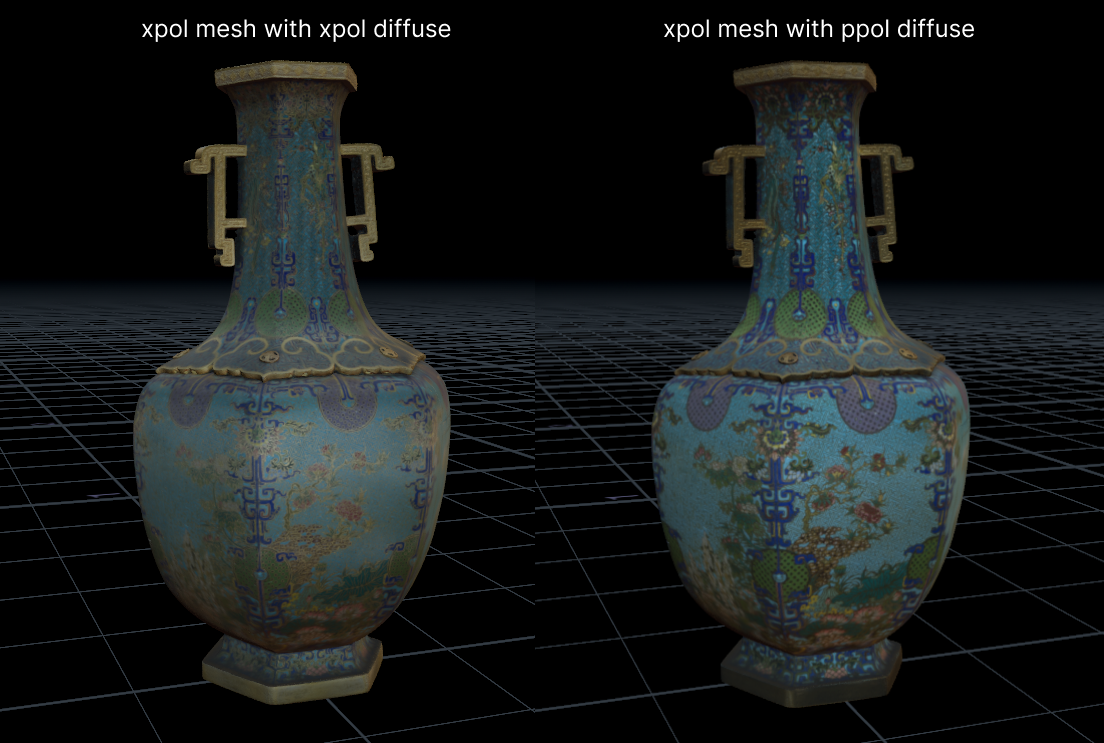
Our lab technician Janet discovered that RealityScan allows exporting the XPOL mesh with both diffuse texture sets (XPOL + PPOL) already aligned to the same UVs. This solved the UV mismatch entirely, making the textures pixel-perfect on the master mesh.
II. Issues Encountered in Labs Maps Baker
After retopologizing the XPOL mesh, we baked its textures from master.obj → LOD00 using Labs Maps Baker. Several issues appeared:
1. Incorrect Texture Projection (Tracing Mode Issue)
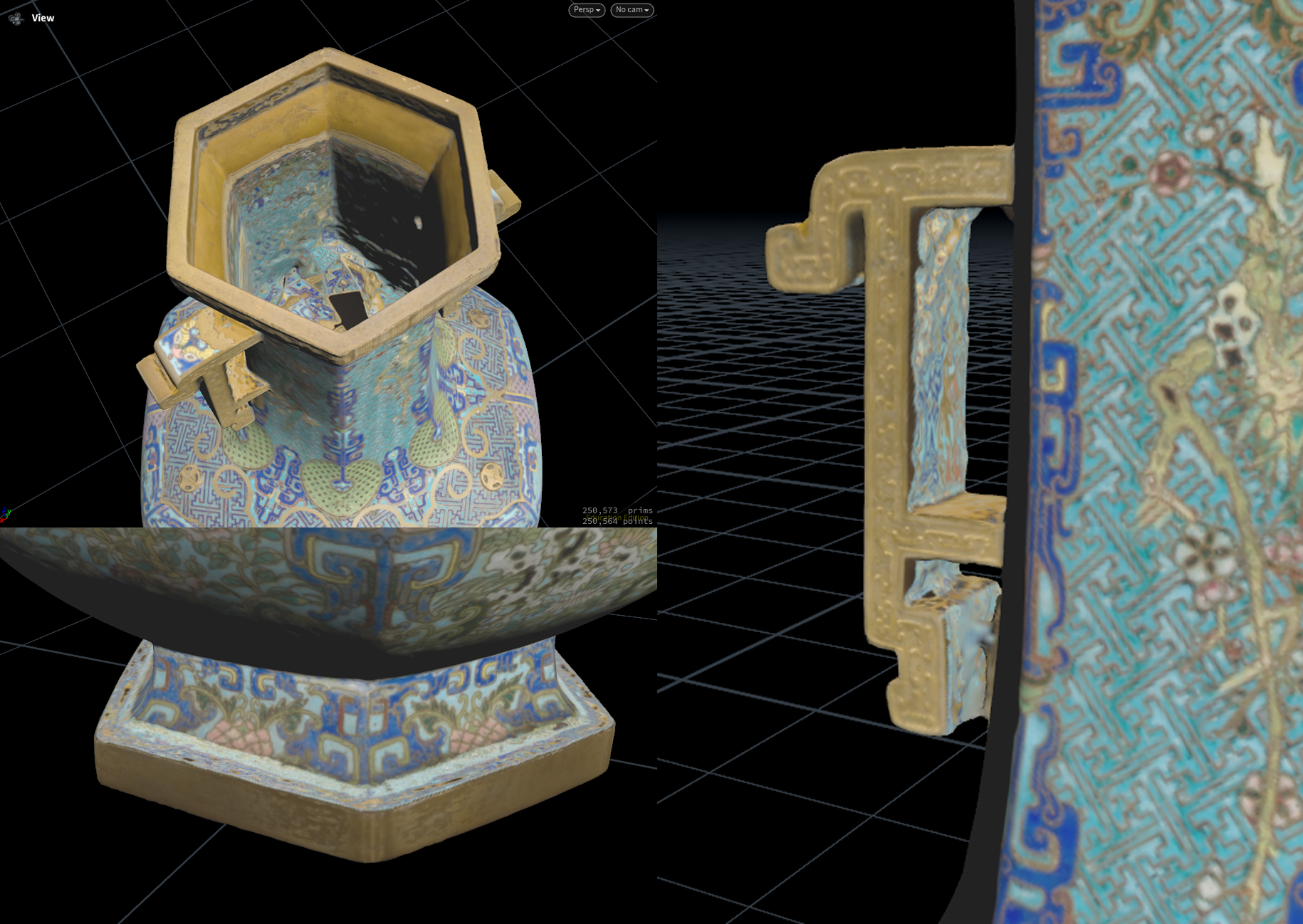
Using Surface Normal as the tracing mode resulted in incorrect texture projection across many areas of the bake.
Cause:
Surface-normal tracing relies on raycasting along the low-poly mesh normals. Any normal inconsistencies cause rays to miss or hit incorrect areas.
Solution:
Switching to Nearest Surface tracing mode fixed the projection issues. Since master.obj and LOD00 are perfectly aligned, nearest-surface projection performs reliably.
New Problem:
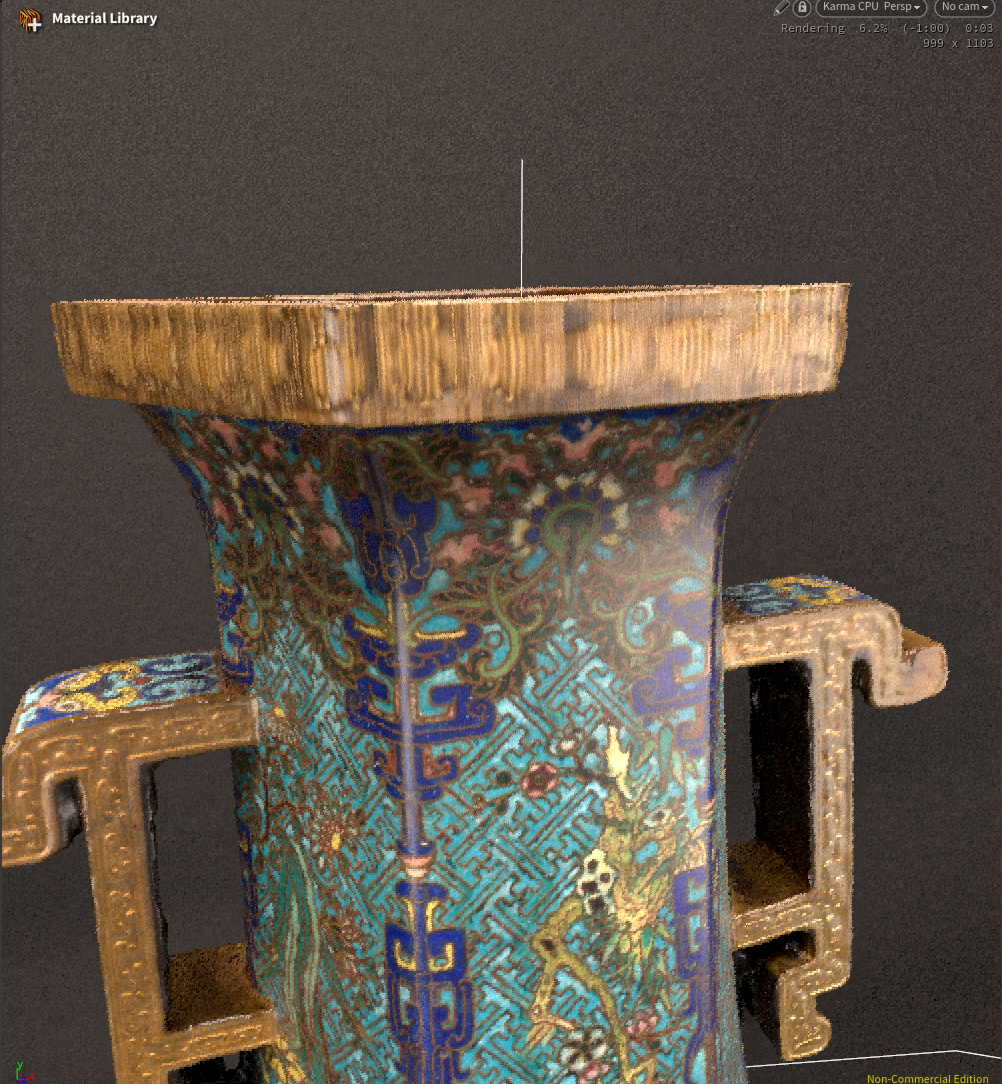
This solution caused texture stretching in some regions—likely due to UV distortions or differences in surface curvature across levels of detail.
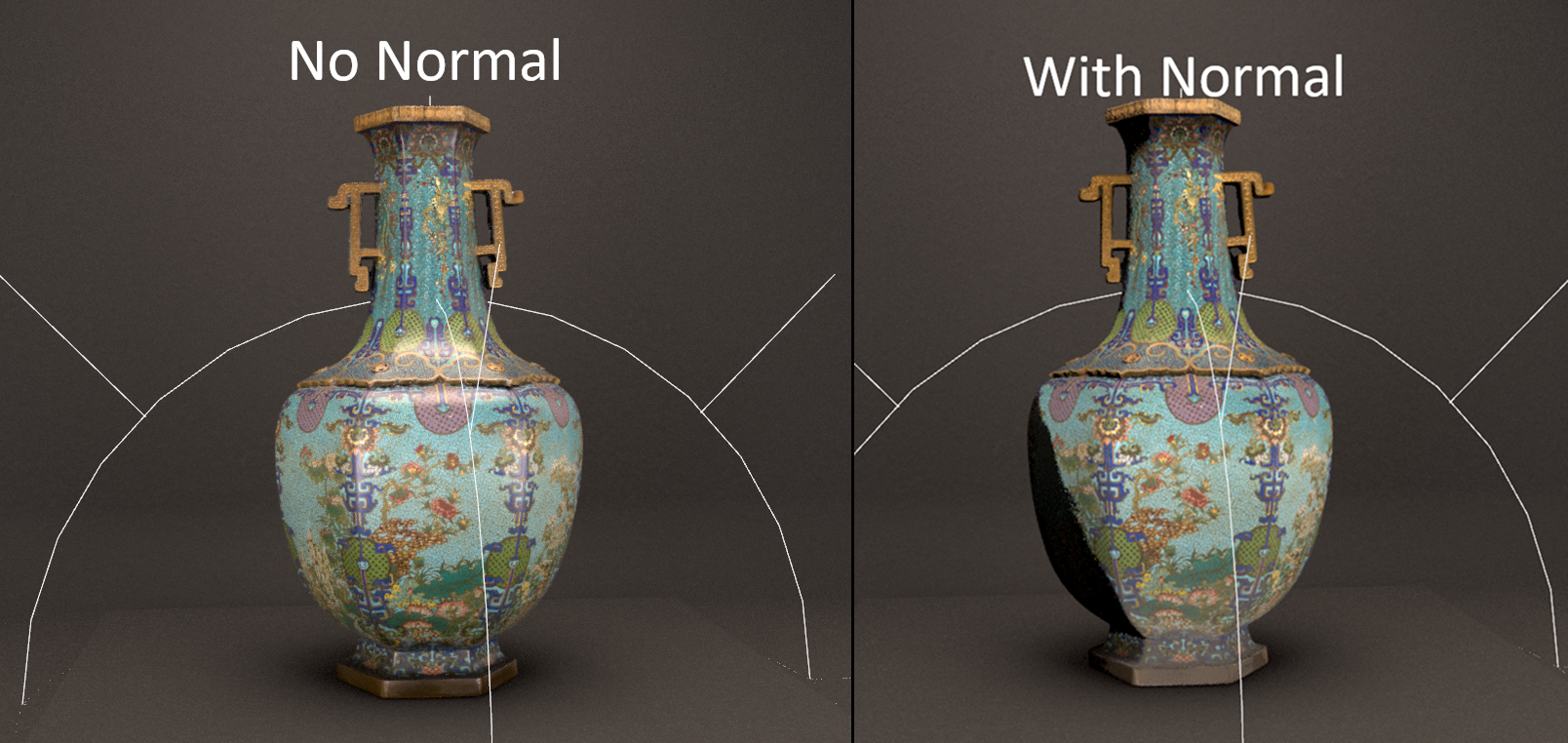
2. Incorrect Normal Map Output
The baked normal map contained shading errors and inconsistent lighting response.
Suspected Causes:
Mesh normals may have been incorrect before the baking process.
Normal recalculation may have occurred too early or too late in the pipeline.
Transfer of high-frequency XPOL detail onto a retopologized mesh may require an adjusted cage or bias settings.
This will be the focus of next week’s troubleshooting.